
Understanding the Materials Behind Ferragamo Bags and the Craft Behind Them
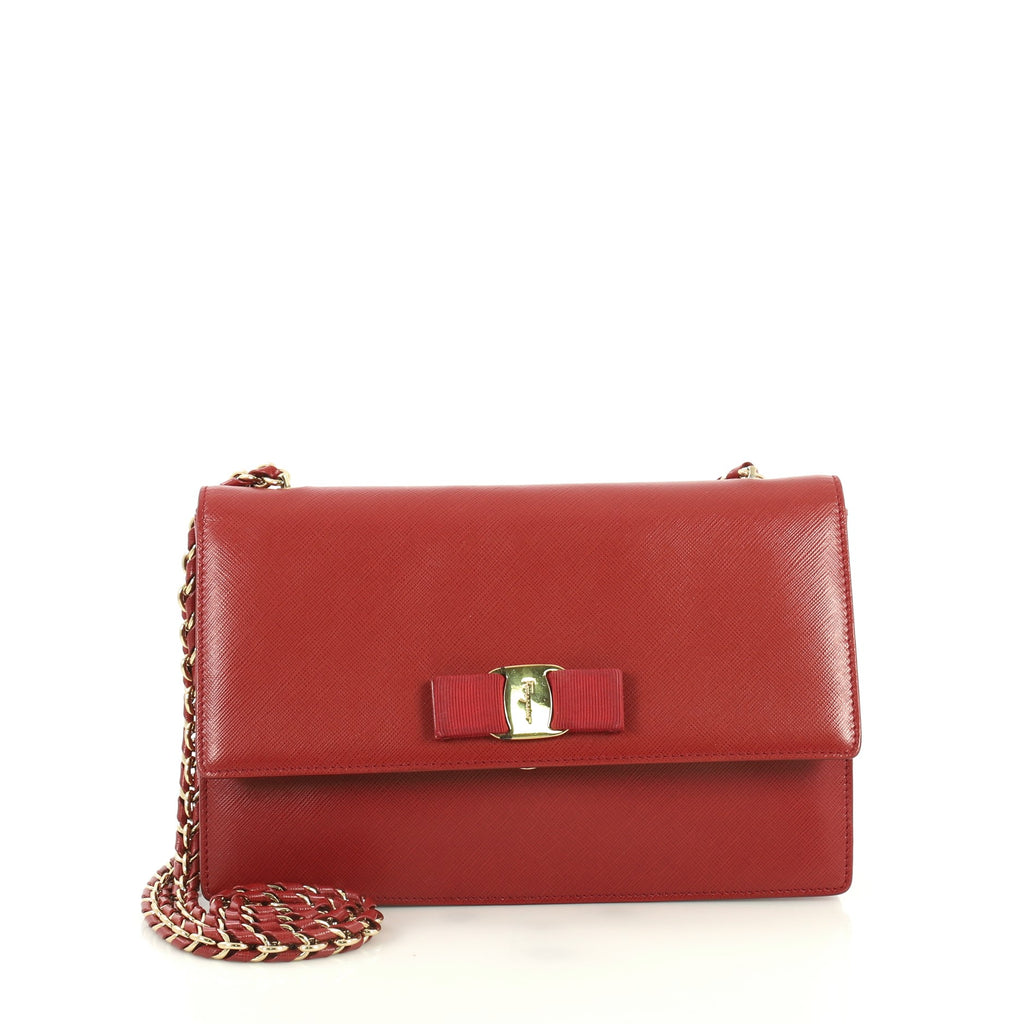
Well before leather goods took center stage, Salvatore Ferragamo earned its reputation in footwear — and that construction-first heritage continues to inform every Ferragamo bag created today. Any shopper exploring a Ferragamo shop initially will notice the language departs from standard fashion shopping — calfskin grades, hardware finishes, artisanal stitching methods — because the brand regards its bags as feats of engineering rather than seasonal accessories. Grasping what drives the price helps a customer choose intelligently rather than on name recognition alone. This guide breaks down the materials, build methods, and signature markers that distinguish a carefully constructed Salvatore Ferragamo bag from something merely branded. This piece also considers how these choices hold up under daily use, since quality only counts when it can withstand day-to-day living. Ultimately, you should know how to assess a Ferragamo bags overview on any retail page and understand what to ask before buying.
Leather Varieties Used Throughout the Range
Ferragamo works predominantly with calfskin, but quality varies within calfskin itself, and the house draws on multiple finish types depending on what the bag is designed for. Smooth calfskin is the most common choice for firm-shaped top-handle styles since it holds shape without heavy interior scaffolding. Cross-hatched Saffiano-style leathers show up on bags meant for daily rotation, since the embossed cross pattern withstands surface marks better than an unembossed finish. Suede and nubuck appear in seasonal or evening styles, selected for their soft hand and rich ferragamo hug small bag color rather than durability, so they require gentler care. Python and crocodile, among other exotic hides, turn up in limited editions and carry noticeably higher prices due to sourcing and tanning complexity. Patent leather, treated with a lacquer coating, gives certain Salvatore bag styles their glossy finish and is better at repelling water than raw, unfinished leather. Identifying the hide behind a bag tells you almost everything about how it will hold up, show wear, and be maintained.
The Vara Bow and Gancini Hardware
Throughout generations of Ferragamo bag craftsmanship, a pair of hallmark motifs keep showing up: the grosgrain-ribboned Vara bow and the Gancini clasp. The Vara ribbon detail, initially launched on shoes in 1978, migrated onto handbags and keeps appearing on newer collections, usually rendered in ribbon in leather or textile stitched directly onto the strap or flap. That Gancini hardware, a stirrup-form metal clasp, has origins that predate the bow and functions as a fastening device and a signature brand cue on numerous bestselling styles. These aren’t mere cosmetic flourishes — they perform genuine mechanical roles, meaning the choice of metal alloy affects how long the piece lasts. Higher-grade hardware stays resistant to tarnish and retains its finish after years of buckle and clasp use, which is one reason earlier-era Ferragamo items on the secondhand market tend to still look polished. Cheaper hardware alternatives on non-verified listings are prone to corroding or fading within a year, a quick way to spot a dubious “ferregamo” sale offered outside of authorized sellers. When shopping, examining how heavy and polished the hardware feels tells you just as much as checking the leather.
Build Techniques That Set Quality Apart
Ferragamo’s ateliers in Florence rely on techniques that go back to time-honored Italian leatherworking education, including hand-cut panels and edge-painting done in multiple thin coats rather than one thick layer. The importance of edge painting is often overlooked by buyers: edges finished correctly resist cracking or peeling even with repeated bending, while sloppy work starts fraying in just a few months. Stitch density is another marker — look for even, tight stitching along pressure zones including handle attachments and zip tracks, since slack stitching there is often the earliest sign of wear on a leather handbag. Bags with a structured shape often rely on a fortified base, occasionally fitted with metal feet, to stop sagging under weight, a small detail that affects resale value years later. Interior linings range from logo-jacquard textile to smooth leather, with leather linings generally found on higher-tier bags and carrying a higher price tag as a result. The junctures where hardware meets strap, notably on shoulder and crossbody styles, get reinforced via added stitching or rivets rather than adhesive alone, which is a crucial factor that separates a durable investment from a short-lived one.
How to Judge a Bag’s Quality Before You Buy
Before buying, regardless of whether you’re browsing physically or through an online Ferragamo shop, running a short physical inspection can save you regret down the line. As a first step, inspect the leather grain under bright light for evenness — some natural variance is normal, but blotchy tone suggests a subpar hide. Second, check the zipper and clasp mechanisms repeatedly, since effortless, friction-free operation indicates well-fitted hardware. As a third step, check balance: pockets, straps, and stitching lines should mirror each other precisely, as misalignment often suggests a flawed unit or non-authentic piece. Moving on, smell the leather — authentic premium leather has a faint, earthy smell, while harsh, man-made scents can indicate imitation materials or low-quality tanning processes. Next, examine the interior stamp and authenticity card, standard inclusions with genuine Salvatore Ferragamo bags sold through authorized channels. To conclude, factor in the bag’s purpose; a plush suede-crafted shoulder bag and a rigid saffiano-style tote serve widely varying daily needs, and matching material to lifestyle guards against early deterioration.
Comparing Popular Ferragamo Bag Categories
Across the lineup, different bag families rely on varying material approaches, and a side-by-side comparison makes it easier to see which suits a given buyer most closely. The table below lays out four commonly discussed categories among shoppers researching the best Ferragamo bags and top Ferragamo bags for daily wear compared to special-occasion use.
| Bag Type | Main Material | Common Hardware | Best Use Case |
|---|---|---|---|
| Structured Top-Handle Style | Fine, smooth calfskin | Shiny Gancini-style clasp | Formal daytime wear, office settings |
| Tote for Everyday Wear | Saffiano-finish leather | Sturdy metal ring hardware | Daily commute, travel |
| Clutch for Evening Wear | Suede or satin | Sleek Vara bow accent | Events, evening wear |
| Crossbody Style | Grained or textured hide | Leather or chain strap featuring a clasp | Casual outings, hands-free days |
Before settling on specific models, this type of groundwork proves useful, since the bag’s frequency and setting of use should guide the material choice. A top-handle style bag in smooth calfskin, as an example, is a poor match for someone who needs a rugged daily bag used in all conditions, while a saffiano tote manages those conditions with considerably less concern.
Keeping Your Ferragamo Bag in Good Shape Over Time
Understanding fabrications and leathers truly delivers value if matched with proper care, and Ferragamo bags reward owners who maintain them consistently. Polished calfskin should be treated on a regular few-month cycle with a purpose-made leather treatment to stave off dehydration and surface fissures, particularly in dry climates. Suede items need a special brush reserved for suede and should never come into contact with water, since moisture leaves irreversible discoloration on the suede surface. Grained and Saffiano finishes are more forgiving but still do well with wiping with a slightly damp cloth to remove surface grime before it settles into the leather’s texture. Occasional polishing with a soft cloth, paired with keeping hardware dry and away from abrasive cleaners that strip plating, is essential. Storage matters too — lightly stuffing the bag to preserve its shape and storing it in a dust bag out of direct sunlight guards against both sagging and fading. Bags stored improperly for even a single humid season can develop mold on interior linings, an avoidable and costly mistake.
How to Choose Wisely
Once you recognize what you’re truly investing in — the leather grade, the hardware quality, the hand-finishing time, and the construction techniques that dictate how the bag holds up over time — selecting from among the Salvatore Ferragamo bag lineup gets much simpler. A well-informed buyer comparing options in a Ferragamo shop can move past marketing language and assess a bag the way an artisan would: through touch, stitching, and weight. Regardless of whether the aim is an investment-grade structured bag or a hardy daily-use option, matching material to purpose is the single most reliable way to get long-term value. It’s not always the priciest bags in a season’s lineup that stand out as the best Ferragamo bags — rather, it’s the ones whose materials and build match their real-world use. With this foundation, evaluating any overview of Ferragamo bags — new arrivals or archival styles — becomes an exercise done with far greater confidence.