
Shop Black Gimp Hoodie Wizard Drape

Investment Pieces: Which Rick Owens Items Hold Their Value

Not every luxury purchase is an investment, but a select group of Rick Owens pieces genuinely earns that label. In a market where most designer goods shed half their value the second the tags come off, this brand plays by other rules. Certain garments and shoes hold, and occasionally exceed, their original retail value on the secondary market. This buyer’s guide ranks the pieces most deserving of your money, backed by concrete figures and clear reasoning for each. Whether you are buying your first piece or growing a serious collection, this list will sharpen your choices. We will also flag which pieces depreciate, because knowing what to avoid is half the battle. Treat this as your practical, ranked roadmap for spending smart in 2026.

1. The Leather Biker Jacket

If you buy only one investment piece, the leather jacket should top your list without hesitation. These jackets, often crafted from heavy lambskin or cowhide, retail between 2,800 and 4,500 USD at full price. Their value retention is exceptional, with well-kept examples frequently reselling at 70 to 90 percent of retail years later. The asymmetric zip, the angled seams, and the signature draped collar mark these out instantly as Rick Owens fashion. Discontinued colorways and archival cuts can even appreciate, occasionally trading above their original price. Leather also ages beautifully, developing a patina that many buyers actively prefer over factory-fresh condition. When it comes to raw durability and demand, nothing else in the catalog tops it.

2. The Geobasket Sneaker

The Geobasket may well be the most iconic silhouette the brand has ever made, and the resale numbers back that up. Retailing around 1,100 to 1,400 USD, these high-top sneakers built a cult following that refuses to fade. On the resale market, in-demand colorways regularly match or top retail, particularly in the core black and milk tones. The leather build and the tall, sculptural profile lend them a presence few sneakers rival. Because the design has remained relatively consistent, demand stays steady rather than spiking and crashing with trends. Limited collaboration editions have historically fetched sizable premiums over standard pairs. As avant garde fashion a wearable asset that also anchors any outfit, the Geobasket is hard to beat.

Why Sneakers Hold Value Differently

Let us pause to unpack why footwear behaves so differently in the resale economy. Sneakers benefit from a massive, liquid global market where buyers actively hunt specific models and sizes. Unlike clothing, shoe sizing is standardized, and that makes online resale quicker and more dependable. Iconic silhouettes such as the Geobasket and the Ramones build reputations that outlast any one season. Scarcity matters as well, because the brand never saturates the market with these designs. A Rick Owens sale on footwear is relatively uncommon, which keeps resale prices firm. This mix of liquidity, scarcity, and standardization turns the right pair into a genuinely smart hold.

3. The Ramones High-Top

The Ramones ranks just under the Geobasket but remains a strong investment in its own right. This slimmer high-top, named in tribute to the punk band, usually sells for 900 to 1,300 USD. Its more understated profile makes it more versatile for everyday wear, which widens its buyer pool noticeably. Resale values hold well, generally landing in the 60 to 80 percent range for pairs in good condition. The minimalist design ages gracefully and pairs effortlessly with the brand’s draped, layered looks. Since it is a touch more wearable than the towering Geobasket, it enjoys steadier everyday demand. For buyers who want an icon they will actually wear often, the Ramones is the sweet spot.

4. Archival and Runway Pieces

For the dedicated collector, nothing matches authentic archival and runway garments for long-term appreciation potential. These are the scarce, season-specific creations that never saw wide release and survive in tiny numbers. Prices vary wildly, but standout archival pieces have sold for multiples of their original cost at specialist resellers. Provenance counts for a great deal here, so paperwork and condition can move value by thousands of dollars. Cocoon coats, sculptural gowns, and experimental tailoring from landmark seasons are the trophies collectors pursue. This tier requires expertise and patience, though its upside is the greatest in the whole catalog. Treat it as the blue-chip tier of Rick Owens collecting.

Value Retention at a Glance

To make comparison easy, the table below summarizes the key investment categories with realistic figures. The retention percentages mirror typical resale performance for pieces kept in good condition. Use these numbers as a baseline rather than a guarantee, since condition and rarity move the needle significantly. Notice how leather and iconic footwear lead the pack while basics trail behind. This snapshot should help you allocate a budget toward the pieces that genuinely hold. Smart timing around any Rick Owens sale can improve your entry point and boost effective returns.

Item Retail (USD) Typical Resale Retention Investment Grade
Leather biker jacket 2,800 – 4,500 70 – 90% A+
Geobasket sneaker 1,100 – 1,400 85 – 100%+ A
Ramones high-top 900 – 1,300 60 – 80% B+
Archival runway piece Varies 100 – 300%+ A+
DRKSHDW hoodie 350 – 590 40 – 60% C

The Honest Truth About the Hoodie

Let us be honest about the most popular entry piece, since expectations need adjusting. A Rick Owens hoodie from the DRKSHDW line is a fantastic garment, but it is not a strong financial investment. These pieces are produced in larger volumes, which naturally softens their resale performance over time. Plan on recouping about 40 to 60 percent of retail when you resell a used hoodie in good condition. That said, the hoodie earns its keep through sheer wearability and years of reliable use. Think of it as a lifestyle purchase rather than an asset you expect to flip. Buy it because you will wear it constantly, not because it will appreciate.

Tips for Protecting Your Investment

Owning the right pieces covers only half the equation; protecting their value takes real care. Hold on to the original packaging, dust bags, and any authenticity paperwork, because these meaningfully affect resale prices. Keep leather clear of direct sunlight and humidity to ward off cracking and fading over the years. Rotate your sneakers and use shoe trees to maintain the sculptural shape that buyers pay for. Clean garments according to the label and avoid harsh detergents that degrade specialty fabrics. When you are ready to sell, established platforms protect both value and authenticity, so choose them over informal channels. A bit of upkeep can decide whether you recover half your money or nearly all of it.

What to Avoid as an Investment

Knowing which pieces let you down financially is every bit as useful as knowing which ones pay off. Loudly branded seasonal items and trend-led graphics tend to age fast and shed value the quickest. Plain jersey tees, comfortable and practical as they are, get made in bulk and recoup little on resale. Pieces in unusual or polarizing colorways outside the core palette often struggle to find second buyers. Anything bought in rough condition rarely gets better, so damaged bargains seldom become profit. Hype-driven collaborations can surge and then collapse once the buzz fades, which makes timing risky. Stick to the timeless core categories, and you sidestep most of these value traps.

Final Verdict for 2026 Buyers

So where is your money best spent in 2026 if value retention is the goal? Start with the leather jacket and the Geobasket, add a Ramones high-top for daily wear, and pursue archival pieces only once you have the expertise. Regard the hoodie as the fun, wearable purchase it is, not a calculated wager. For current pricing and authentication, shop directly through rickowens.eu or a vetted retailer like SSENSE. Watch the calendar for a Rick Owens sale to improve your entry point on staple pieces. Shop deliberately, look after what you own, and your Rick Owens fashion collection can retain its value remarkably well.
ALOCS Mesh Shorts Explained Fabric and Feel

How the bottoms range is shaped

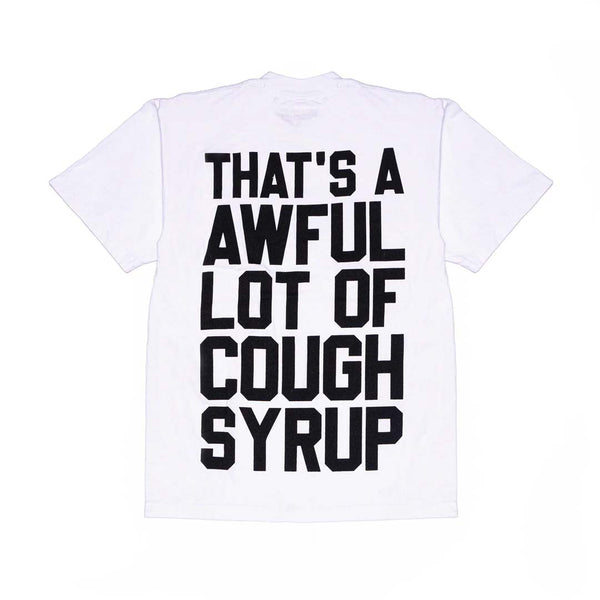
Bottoms make up the quieter half of the catalogue at That’s A Awful Lot Of Cough Syrup, and they reward a slow read. The range falls into three groups: heavyweight fleece sweatpants for daily wear, printed and dyed pairs carrying the same artwork as the shirts, and workwear trousers built on Dickies bodies and denim. Weights and blends are the most useful thing to read before you commit, and the brand https://awfullottacoughsyrup.com/product-category/shorts/ publishes them on most product pages, which is more than many independent labels bother with. Each group is priced differently, cut from a different cloth and sized on a different basis. There is no single chart covering every fit. Sizing and what each pair sits well beside follow the groups, which the sections below take in turn.

The everyday fleece: the Classic Cough Syrup Sweatpants

Begin with the Classic Cough Syrup Sweatpants, the pair that anchors the category. Plainly published, the construction is a 14 oz fleece made of 80% cotton and 20% recycled polyester, with the signature Cough Syrup logo screen printed across the front and up the back legs. They hold their shape rather than going slack after a few washes, because fourteen ounces is heavier than a standard gym sweat. They sit at about $200 at the brand’s own store as of September 2026, level with the core hoodies, and a label that drops weekly moves its pricing without notice. The published fit note is short and unambiguous: this style fits true to size. This is the one to own if you only ever buy one pair of awful lot of cough syrup bottoms.

The printed and dyed pairs

A small group of sweatpants sits beside the classic pair and treats the leg as a print surface. Current names include the Classic Flare Sweatpants, the ALOCS Athletic Dept. Sweatpants and the Blurred Lines Sweatpants, all at about $200 as of September 2026, plus the Flare Classic Sweapants at about $150, a spelling that is the brand’s own. Opening through the lower leg instead of tapering, the flare cuts are the outlier and read differently over a shoe. The label’s graphic habits land on a bottom here: large screen prints, hand-dyed and printed in Los Angeles, and the wordmark that carries the tees. Your legs or your chest is really the choice, because in cough syrup clothing the two rarely need to compete. Since a weight is not published for every one of them, the 14 oz figure belongs to the classic pair alone.

Workwear bottoms, Dickies cuts, carpenter pants and denim

The third group is the one buyers tend to overlook, and the most durable thing the label makes. A Dickies line runs through the catalogue, and the published blend across those pieces is 65% cotton and 35% polyester, a hard-wearing cloth rather than a soft fashion twill. The Cough Syrup Loose Fit Dickies Pants sit at about $250 and the Glocc Dickies Pants at about $300, both checked in September 2026. The ALOCS Carpenter Pants sit at about $300 each in black, blue and tan, while the denim collection holds a single piece: the Double Cup Cargo Shorts at about $150, marked down from $300. What the page publishes is a mid-rise 14 oz denim, garment-dyed through a double dye process meant to mimic sun-fading, with double cup pockets at the back, cargo pockets at the side and a custom leather patch. Rarely does a thats a awful lot of cough syrup search land here, and yet this corner holds the thickest construction detail.

Shorts, and where they belong in the same family

Barely seasonal in a Los Angeles label, shorts behave like a fourth group. At about $150 as of September 2026 sit most alocs shorts: the Glocc Shorts and their Mexico and USA variants, the Awful Lot Of Stincs Shorts, the ALOCS x Stinc Team Dragon Shorts and the Classic Sweat Shorts. The Awful Lot Of Respect Cuhh Shorts sit at about $100 and the Women’s Booty Shorts at about $60, so this shelf spans a wider range than the sweatpants do. The Classic Sweat Shorts are the obvious companion to the fleece pants, built from the same vocabulary rather than the denim one. The single denim piece in the collection is the Double Cup Cargo Shorts, sized by waist rather than by letter. Worth saying plainly: the brand never uses the word jorts, so denim cargo shorts is the name to search on.

The way the brand sizes bottoms

Give this part a second read, because it is the commonest source of a wasted order. With small through extra-large on nearly every style and 3XL on a smaller group of products, apparel runs XS to 3XL. Denim and workwear go by waist measurement instead, from 28 through 44, which is why the cargo shorts and the carpenter pants never appear in the letter-size list. The classic sweatpants, hoodie and tee all carry that exact note, the published default being true to size, while a handful of styles publish their own instruction. There is no global size chart. Its own sizing pages render without any chart content as of September 2026, which makes a measurement table you find for alocs clothing elsewhere a third party’s reconstruction rather than a published figure.

Every bottom at a glance

The table below gathers what the brand itself publishes and nothing more. Re-check the prices: they are the figures shown at its own store as of September 2026, and stock and pricing both move constantly here. Where a cell reads not published, the brand simply does not state a weight or blend for that style. Letter or waist measurement is what the sizing basis column tells you, and that makes it the column that matters most. Read the price column as a band rather than a quote. The XS to 3XL ladder is what apparel sizes means, and the 28 to 44 range is what waist means.

Bottom style Price Published material Sizing basis
Classic Cough Syrup Sweatpants about $200 14 oz fleece, 80% cotton / 20% recycled polyester Apparel sizes, true to size
Classic Flare Sweatpants about $200 Not published Apparel sizes
ALOCS Athletic Dept. Sweatpants about $200 Not published Apparel sizes
Blurred Lines Sweatpants about $200 Not published Apparel sizes
Flare Classic Sweapants about $150 Not published Apparel sizes
Classic Sweat Shorts about $150 Not published Apparel sizes
Double Cup Cargo Shorts about $150, from $300 14 oz denim, garment-dyed Waist 28 to 44, true to size
ALOCS Carpenter Pants about $300 Denim, weight not published Waist 28 to 44
Cough Syrup Loose Fit Dickies Pants about $250 65% cotton / 35% polyester Waist 28 to 44
Glocc Dickies Pants about $300 65% cotton / 35% polyester Waist 28 to 44

What sits well with what

Pairing here comes down to restraint, because the graphics already do the talking. A quiet bottom, usually the classic fleece pair in one colour, belongs under a printed awful lot of cough syrup tee or hoodie, just as a plain top suits a printed sweatpant. The cargo shorts, being garment-dyed denim with visible pocket construction, read as a statement themselves and sit better under a blank tee. The Dickies cuts and the carpenter pants carry a loud top without argument, because the workwear trousers are the most flexible pieces precisely for being the least decorated. The simplest route for building a set is matching a hoodie and sweatpants from the same named capsule. Colour is the simple part: black and yellow are the signature pairing, and the woven label supplies enough yellow on its own.

Buying notes for 2026

Price is not the constraint here; stock is. The brand sells in batch drops through its own online store and its shops, and a large share of size variants sit out of stock at any moment, so the pair you want may not be there this week. Those shops are at 7669 Melrose Avenue and 312 West 5th Street in Los Angeles, plus one on Almeda Road in Houston. Before accepting a pair as genuine, check the yellow woven label, the published fabric weight and the product name against the brand’s own catalogue. Markdowns happen and are worth waiting for, with the cargo shorts at about $150 from $300 the clearest example, and mystery items run as standing clearance, including mystery sweatpants at about $100 against $200. Every price quoted here was current in September 2026 and will move.

Righteous Cotton Tee Explained Sizing and Fit Notes

Comfort Paired With Toughness: The Fabrics Behind Righteous Clothing

Prior to committing, any shopper checking out a righteous review tends to ask the same question before anything else: what materials make up this clothing? It’s a reasonable question, because the choice of material governs everything else that follows — how a garment holds its shape after twenty washes, whether it wears thin at the cuffs, how it sits on the body on a humid afternoon compared with a cold morning. Righteous clothing has built its identity around this exact concern, treating material selection as the bedrock of the label rather than an afterthought added as a footnote to a product description. This philosophy is reflected in the way each piece is put together, from the yarn used to the finishing techniques applied before a garment ever makes it into someone’s hands.

What follows explains what goes into we are righteous apparel, why those choices matter for everyday wear, and how the materials compare to standard fast-fashion alternatives still widespread in 2026. We’ll additionally examine care, durability expectations, and where the righteous hoodie slots into the brand’s overall range. Nothing fluffy, no empty marketing talk — just the concrete facts that help someone determine whether this brand matches their wardrobe.

Why Fabric Choice Defines a Clothing righteous white tee Brand

Between clothing that endures and clothing that winds up donated within half a year, fabric is the deciding difference. A inexpensive, slack-knit cotton blend might seem comfortable on day one, but it stretches out of shape after several launderings and starts growing threadbare at stress points like elbows and underarms. Righteous clothing brand pushes back against that cycle, leaning toward heavier-weight, densely constructed fabrics that resist deformation even with frequent wear. This goes beyond simple marketing talk — it mirrors a broader shift in how consumers judge apparel now that fast fashion’s environmental and durability weaknesses are well established.

Most shoppers underestimate how much weight matters. Fabric weight is usually measured in grams per square meter (GSM), and garments under 180 GSM tend to feel thin and see-through, while anything above 280 GSM begins to seem substantial and structured. Righteous apparel generally sits in the mid-to-heavy range, which explains why customers frequently describe the pieces as feeling “worth the price” rather than thin. Heavier material additionally maintains its shape across drying cycles, meaning reduced need for ironing and less frustration on laundry day.

We should also raise the question of a fabric behaves under tension. Stretch recovery — a garment’s capacity to spring back into its initial form once stretched — is a technical property which distinguishes properly constructed staples from cheaply made counterparts. Blended fabrics with a slight proportion of elastane or a comparable elastic fiber generally bounce back more effectively than pure rigid cotton, which helps explain why numerous quality pieces are built from blended materials rather than using only single-fiber textiles.

A Detailed Examination at the Righteous Hoodie, Explored

For good reason, this righteous hoodie has turned into something of a flagship item for the brand, given that hoodies are unforgiving garments in terms of fabric quality.

A badly made hoodie sags at the hood, sees its drawstring grip weaken, and develops pilling around the front pocket area after just a few weeks.

The righteous hoodie is constructed using a more substantial fleece-back construction, so that the interior is softly brushed while the outer layer remains sturdy and smooth. This dual-layer method is the norm for high-end streetwear but noticeably absent in cheaper alternatives.

Another detail worth mentioning is the ribbed trim along the cuffs and hem. That loose, droopy appearance lower-quality pieces develop within a season is avoided thanks to snug, well-stitched ribbing that preserves a hoodie’s form unspoiled through repeated use and laundering. Extra-durable stitching along the seams — especially where the sleeve joins the body — reduces the chance of ripping under day-to-day motion, whether that’s reaching overhead or hauling a backpack.

Customers writing a we are righteous review often single out the hoodie’s weight and drape as reasons for repeat purchases. A hoodie that hangs correctly, without bunching at the waist or pulling at the shoulders, signals that the pattern-cutting behind it was done with actual wearability in mind, not just cost efficiency. That level of attention is one of the clearer signs of a brand thinking long-term rather than chasing short production cycles.

Tailoring Holds Firm, Without Trade-Off in Comfort

One can point to measurable factors that shape ease of wear—even though it’s subjective: breathability, balance of weight, and how a fabric moves with the body. Righteous’s designs leans into fabrics that balance softness with enough structure to hold a garment’s intended silhouette. This matters especially for roomier, relaxed-fit garments, which can look shapeless if the fabric is too soft and lacks any body.

Fiber composition and weave density largely determine how breathable a fabric feels. Since blends rich in cotton circulate air more readily than all-synthetic materials, righteous apparel favors cotton-forward compositions for items meant for regular use, saving instead more technical or performance blends for particular types of product. This variation is intentional, not accidental — a hoodie for chillier conditions calls for something other than what a breezy, warm-weather tee needs.

Heat regulation likewise factors into how a piece is judged as time passes. Textiles that don’t distribute heat evenly can feel uncomfortable during in-between weather, whereas carefully selected blends adapt more smoothly. A brand that has tested its materials across seasons stands apart from one that hasn’t—and this is exactly the kind of small, telling detail that shows it.

What Really Lasts As Time Passes: Longevity

Durability goes beyond the material alone — it comes down to all the parts functioning in unison: threadwork, reinforced seams, colorfastness, and the fittings on drawstrings or zips.
Righteous clothing brand has built a reputation partly on reinforced double-stitched seams, which reduce the likelihood of unraveling at pressure points.
Despite being a fairly inexpensive production choice, it makes an outsized difference in how well a piece endures everyday use and laundering.

Another underrated durability factor is colorfastness. Inexpensive dyes lose vibrancy significantly after 10 to 15 washes, which leaves garments appearing patchy and lackluster. Especially when reactive dyeing methods are used on cotton-based fabrics, better-grade dyeing processes hold onto hue much longer, warding off the dull, worn-out effect that plagues lower-tier apparel. Buyers reading a righteous review will often note that colors stay vivid even after months of regular wear, which reflects this kind of attention to the dyeing process rather than luck.

The length of the fiber and how well the yarn is made underpin how well a fabric resists pilling. Finer yarns, made possible by longer-staple cotton fibers, stand up to the minor fiber fraying that is responsible for pilling — while cheaper short fibers wear into pills fast under rubbing. Invisible at the point of purchase but very noticeable after a month of wear, this quality is precisely the reason it is so critical to long-term satisfaction.

What Makes Righteous Differs From Typical Fast Fashion

Instead of abstract statements, it’s useful to see the difference in concrete language. Below, the table lays out typical characteristics common to mass-market fast-fashion staples as measured against the principles righteous clothing aims for across its main clothing collections.

Feature Everyday Fast Fashion Righteous Clothing’s Philosophy
Textile Weight Usually under 180 GSM, reads as thin A more substantial fabric weight aimed at structure and durability
Stitch Build Basic single-line seams, likely to suffer fraying Double-stitched seams positioned at stress points
Dye Durability Noticeably fading by 10–15 washes A reactive dye process for more lasting color retention
Shape Recovery Stretches out, loses shape quickly Better shape rebound delivered through blended fibers
Anti-Pill Performance Significant pilling within weeks Longer fiber strands reduce pilling

We’re not talking about striking, over-the-top variations — it’s the type of incremental quality decisions that accumulate over months of use. Someone checking out two hoodies side by side on the shop floor might overlook the heft of the material immediately, but they’ll show itself after the first wash cycle, and the contrast will certainly be impossible to miss after the tenth wash.

Guidelines on Lengthening the Longevity of Your Garment

Even then, the highest-quality garment won’t last if it’s cared for poorly, so proper washing practices matter just as much as material quality. Using cold water to wash protects both colour vibrancy and thread integrity far better than hot water, which speeds up dye fading and fiber breakdown. Turning garments inside out before washing also lessens surface friction, preserving printed graphics and cutting down pilling on the outer face of the fabric.

Drying naturally in the air, or at minimum using a gentle, low-temperature tumble dry setting, prevents the shrinking and strain on fibers that excessive heat causes over recurring cycles. This is especially significant for heavier fabrics like the ones used in the righteous hoodie, where high heat can cause the fleece backing to flatten and become less soft over time. These kinds of small routines can add a considerable amount of added longevity to a garment, often the deciding factor between a piece holding up for one year versus three.

Keeping garments folded rather than on hangers also assists knitwear and hoodies retain their shape, since hanging thicker garments can pull out the shoulder seams and neckline over time. Small and unglamorous as these details are, they’re exactly the practical guidance that turns a good purchase into a lasting wardrobe staple.

Concluding Notes on the Righteous Material Philosophy

Fabric choices tell the true story behind any clothing brand, and righteous clothing has clearly shaped its identity around nailing the fundamentals rather than depending on flashy marketing alone. From fabric weight to stitching reinforcement to dye retention, each choice reflects a brand considering how a garment holds up six months or a year down the line, not just how it photographs on day one. That’s a meaningful distinction in a market still overrun by quick-turnover fast fashion.

For anyone considering a we are righteous review before buying, the practical point is simple: the brand’s approach to fabric selection, construction, and final finishing touches reflects authentic attention to durability and comfort, not just passing style trends. Whether it’s the comfortable structure of the righteous hoodie or the wider range of righteous apparel, the materials are doing quiet, consistent work behind the scenes — which, in the end, is exactly what good clothing should do.

Ferragamo Sofia Studio Bag Italian Luxury House

Standout Salvatore Ferragamo Handbag Picks for Pared-Back Closets

Few items carry as much weight in a minimalist wardrobe as the bag does, given that it needs to operate with the least amount of visual noise. Salvatore Ferragamo has spent decades establishing its standing on structured shapes, subtle metal details, and leather that ages rather than wears out. For shoppers paring their closets back to necessities, the brand’s approach to design — crisp silhouettes, deliberate proportions, subdued color palettes — slots effortlessly into a reduced rotation. Here, we explore why a Ferragamo bag works for minimalist style, surveys a selection of the most adaptable designs, and provides a hands-on comparison to help settle on a choice.

Before getting into particular styles, context is useful on why this specific label has emerged as a touchstone for people who want less but higher-quality possessions. Salvatore Ferragamo began as a footwear maker in the early twentieth century, and this footwear-rooted rigor — precision, structure, attention to how an object sits against the body — extended when the brand branched into leather goods. Traces of that history appear in the way these bags are constructed: seaming is pared down, hardware is often matte or brushed instead of glossy, and the silhouettes lean structured rather than relaxed. For a pared-back dresser, that separates an accessory that competes with the clothes and one that quietly completes it.

What Makes a Bag “Minimalist” https://feragamoshop.com/ in the Ferragamo Universe

Bag minimalism means more than having no logo. It concerns scale, honest use of materials, and understated detailing. A Ferragamo style suited to a reduced wardrobe typically favors one clear, primary form — a wedge, a rectangle, a rounded box shape — instead of numerous sections and hanging decorations. Hardware is usually limited to a clasp, a zipper pull, or the brand’s Gancini hook, which itself has evolved into an understated mark rather than a showy symbol. Because of this restraint the bag can shift from a structured workwear pairing and a off-duty pairing of jeans and an unadorned sweater without ever feeling like it belongs to only one context.

Hue is every bit as important as form. Neutral leather tones — shades like black, cognac, taupe, cream — prevail across the most adaptable choices in any Salvatore Ferragamo bags lineup, and with good cause: they avoid clashing with the rest of a capsule wardrobe constructed from equally restrained hues. The feel of the leather counts as well. Sleek calfskin comes across as more refined and minimal than a strongly textured or stamped hide, so those assembling a minimal wardrobe often gravitate toward the smoother finishes when exploring a Ferragamo retail space, be it digitally or in-store.

Size discipline remains the closing piece of the puzzle. A stripped-down style of bag seldom aims to fit it all in; its shape is dictated by a phone, a card case, keys, and maybe a slim pouch. This limited capacity demands a constant paring-down that echoes the guiding principle of the wardrobe it’s paired with. Pieces able to move between a neat top-handle form and a bigger shoulder-strap version see the heaviest rotation, because they work equally well for quick errands and evening outings without needing a backup bag waiting in reserve.

Iconic Shapes Worth Recognizing

Ferragamo’s design history features several silhouettes that have stayed in rotation for years because their dimensions never went out of step with evolving styles. Structured top-handle bags with a boxy base are a recurring theme, valued for staying upright rather than slouching rather than folding flat like a heap of leather. Single-strap shoulder bags with a slim, envelope-style silhouette are another mainstay, preferred by anyone after a bag that tucks beneath a coat without bulking it up.

The Gancini clasp detail — a stirrup-shaped clasp inspired by equestrian design — shows up throughout several bag lines and functions as a signature that’s both recognizable and restrained. Rather than a large stamped emblem, the Gancini is subtle enough to feel like a design element rather than branding, which is precisely why it fits so well with pared-back style. It shows up on flap closures, as a decorative charm, or integrated into the strap hardware, adding a focal detail to each bag without dominating the overall design.

Deserving particular note are convertible styles. Since a number of Salvatore styles feature a removable strap, a top-handle style can become a crossbody or shoulder bag as the occasion demands. This kind of flexibility is not a minor feature for someone trying to keep their accessory collection small — it can mean owning one bag instead of two, which is, at its heart, what minimalist dressing promises from the start.

How to Browse Wisely When Browsing a Ferragamo Shop

Walking into a Ferragamo shop, physical or digital, with a clear checklist makes the whole experience much less daunting. First, identify the two or three colors that already rule the rest of the closet — most minimalist closets settle around black, white, navy, camel, or grey— and look specifically within that range rather than getting distracted by seasonal colorways. That one move instantly narrows down a large share of the options and keeps the search on track.

Next, reflect on the length of the strap and the way the bag will really sit on the body over the course of a everyday day. By contrast, a hip-skimming shoulder bag flatters structured coats, whereas a higher-sitting crossbody goes with baggier, roomy outerwear more effectively. As a pared-back wardrobe generally leans on just a few of coat and jacket shapes, it’s more useful to try the bag against those exact pieces instead of evaluating it by itself.

Lastly, consider how the bag will be used throughout a entire week rather than a one-off outfit. A bag suited solely for evening wear will sit unused most days, which defeats the point of investing in fewer, more practical pieces. Ferragamo’s strongest options for a pared-back wardrobe tend to be the ones that shift seamlessly between a desk job, a dinner reservation, and a Saturday errand run without requiring a change of accessory.

Weighing Up Popular Ferragamo Bag Styles for Minimalists

Below, four recognizable style categories from within Ferragamo’s bag range are mapped out, with focus on shape, best-fit scenario, and why each complements a minimal wardrobe. This isn’t an comprehensive list of the full style history, but it represents the shapes most frequently suggested when people search for the best Ferragamo bags to build a enduring, low-maintenance collection.

Category of Style Common Silhouette Best For Why It Suits Minimalist Dressing
Structured Top-Handle Geometric, structured base Office days, business meetings Holds its shape without sagging; reads polished with structured pieces
Multi-Way Shoulder Bag Flat, clutch-like profile Everyday tasks, shifting from office to evening Removable strap options cut down the reliance on multiple bags
Petite Crossbody Compact, curved or boxy On-the-go days, hands-free occasions Size discipline forces essentials-only carrying
Soft Hobo Rounded, relaxed silhouette Weekend, relaxed styling Relaxed shape offsets tailored wardrobe staples

As this comparison shows, a consistent pattern shows up: the most effective choices for minimalist dressing have in common a understated material palette and a shape that remains quiet on its own. Regardless of whether someone prefers a boxy top-handle or a softer hobo silhouette often comes down to lifestyle rather than visual taste, since both categories can be found in the same understated leather tones.

Putting Together a Capsule Bag Collection with Salvatore Ferragamo

Rarely does a truly minimalist accessory collection require more than three bags — one boxy piece for work, one adaptable or crossbody for daily life, and perhaps a dressier option for evenings. Within a Salvatore Ferragamo bags lineup, building this three-bag approach is entirely realistic without overlapping function, since the brand offers enough shape variety within its neutral color range to serve each role separately.

Whether you’re searching under Ferragamo or the frequent typo ferregamo, weighing your choices goes smoother when there’s a written list of the functions your current bags already handle. This prevents impulse purchases whose purpose already exists elsewhere, a pattern that is among the most frequent routes by which minimalist wardrobes quietly become cluttered again. A quick ferragamo bags overview before shopping, measuring shape, strap style, and color against the pieces already in your closet, cuts costs while freeing up storage.

As 2026 approaches, the priority among many style-watchers keeps shifting toward scarcer but sturdier acquisitions rather than frequent trend-chasing purchases. This movement plays directly into this house’s longstanding strength: bags built on classic proportions, rendered in leather designed to age well over years of use rather than seasons. Choosing one of the best Salvatore Ferragamo bags for a minimalist wardrobe isn’t about finding the most photographed style of the moment — instead it means choosing a form, dimension, and hue that will still hold up three or five years later, styled alongside however the closet has changed in the meantime.

Sp5der Worldwide Hoodie Legitimate Brand Hub Information Sp5der seller

Spider Young Thug Merch can finest be realized by getting to know the man behind the emblem. He was born Jeffrey Lamar Williams and is a rapper, artist, and songwriter. As well as being a rapper, he is a artist. Thanks to his style-twisting noise, he has faithful fans and essential acclaim.

Early on, Young Thug was clearly devoted to music. As a child, he was influenced by Atlanta’s hip-hop culture. In 2010, he started his songs career getting a danger with his special seem and non-traditional shipping and delivery. Inside the undertaking, Young Thug revealed his capability to smoothly swap from rapping to vocal singing. Together with his special substantial-pitched voice, his melodious movement created him a story.

555: The Perfect Balance of Style and Superpowers

Despite their adaptability, Hoodie continue to be popular. Regardless of event, you can wear them casually or formally. You dress in this hoodie for any sort of apparel. Browsing our store nowadays is the best time to get the hoodie in a cheap cost. A Hoodie can also be really warm and comfortable. The gentle material and cozy match of those hoodies make sure they are perfect for freezing weather. Wear spider hoodie pink to thehike and gym, or anywhere else you want to look stylish and stay warm.

The Hoodies can be dressed down or up, leading them to be adaptable design items for virtually any clothing. For the put-back style, crew a Spider Hoodie with denim jeans and leggings. On cold times, wear it layered below a jacket or shirt. The 555 spider hoodie go well with dressier ensembles when outfitted downward. Wearing shoes and fixed pants or dresses using a organised jacket along with this outfit looks great. These comfortable shoes are perfect for an evening out or special event since they are comfortable and stylish.

Embrace the Urban Culture with Sp5der Hoodies

A hoodie is a pullover with hood. The spider hoodie can be a quality clothing that total combination of two black spider hoodies kinds of style and comfort. Made with perfect and suitable fabric of polyester and cotton. This ensemble is really a fashion and innovation blend which includes jailed the heart of aware of design individuals around the world.

The company is purposed by rebel Young Thug, an American developer, combine a massive passion for boldness with elegant preference of attire, has never then popular.

The hoodie swagger a particular, elaborated spider emblem around the top, an supplement of move forward touch type. Generally men and women like pinkish Spider Hoodie since it enhances individuality of the person. So, the spider basically become a famous brand in a worldwide clothing items. This hoodie is yet another streetwear clothes.

The spider collection is produced by using a modern-day adventurer and bring in to individual that come up with a entertainment and fashion right away. This outfit is way too much sophisticated and classy for those whenever they put on for any celebration, for any community location. This is some high quality selection of this brand name..

Sp5der: The Ultimate Choice for Power and Performance

Trending Hoodies To Use in the wintertime

Hoodies are a variety of shirt made from perspiration cotton and having a hood. Most hoodies have a zip closing and are avalable with two wallets on either sides. There are also non-zippered hoodies that come with pockets, however. These tops are meant to cover thehead and neck, and face and give defense against cold temperatures.

At Spider WorldWide, we offer a wide variety of hoodies which come in a variety of measurements, hues, and they are made using the highest quality components. A number of the certain hoodie items we offer incorporate:

Black Sp5der Worldwide Hoodie

The Black Sp5der Worldwide Hoodie is a superb quality outfit that combines 80 Percent of 100 % cotton with 20% polyester. Its light, breathable textile causes it to be secure for all users.

Moreover, it comes with a logo design on the center and kangaroo wallets. These hoodies appear in a range of emblemcolors and designs, and styles, suitable for women and men alike, and therefore are available at a very affordable expense of $199.00. They will likely keep you hot the entire day.

Natural Sp5der Website Hoodie

Another popular comfy hoodie with a very graffiti splash layout at the center of the hoodie is accessible just at $199. This hoodie is contrasted together with the normal eco-friendly shade used by males and females.

Additionally, we generated these hoodies so that the stamping lasts forever. I actually do not get dim after a while. When you stand up in a audience, these hoodies will appear fantastic and eyes-catching for lots of people and offer a sense of hiphop leading you to popular where you live and wherever you go.

Something you deal with whilst cleaning is you should use chilly h2o. Do not use tepid water and also you must dried up wash it.

S5der Worldwide Hoodie 999 Team

The Sp5der Worldwide hoodie 999 membership can be a remarkably popular and cozy piece of apparel featuring a black and white printing of Juices Community, a well-recognized American citizen musician. The hoodie also includes the telephone number 999, which is a reference for the tattoo on his right and left fingers. This hoodie is good for enthusiasts of Fruit juice Community and can be bought in a sensible cost of $199, similar to the green sp5der web hoodie.

Sp5der Worldwide 555 Hoodie

The Spider worldwide 555 hoodie can be a casual, comfortable sweatshirt having a hood connected to the neckline. It is usually made from a gentle, cozy cloth such as 100 % cotton or fleece and is a well known option for daily use. The quantity 555 is often of the clothing company Sp5der worldwide, which is renowned for its modern and trendy variations. Having its Spider 555 logo design around the chest, this hoodie is a terrific way to show your support just for this well-liked manufacturer. The hoodie may be used like a standalone best or layered across a t-tee shirt or aquarium best for more warmth.

Dubai Similar Studio Picks Built For Growing Dubai Businesses

Small-Apartment Interiors in Dubai: Practical Solutions That Work

A tenacious myth persists in Dubai real estate: that a compact home can never feel airy, indulgent, or genuinely comfortable. Step inside a smartly planned studio in Dubai Marina or a small two-bedroom in Business Bay and you soon learn how wrong that assumption really is. Square footage has real limits, but thoughtful design consistently makes compact homes feel far larger than the numbers suggest. Apartment sizes are shrinking and rents keep climbing, so getting more from less has never been more valuable than in 2026. What most people miss is that small-apartment problems nearly always have practical, affordable answers waiting to be applied. This guide addresses the everyday frustrations head on and offers proven, real-world fixes for each one. Along the way expect honest 2026 price ranges so you can budget with genuine confidence.

The Big Myth: Small Homes Cannot Feel Luxurious

Let us clear up the biggest myth straight away, since it keeps so many homeowners from ever beginning. Luxury in a compact home has little to do with grand proportions but from thoughtful detail, fine materials, and a calm, uncluttered atmosphere. Warm stone, built-in lighting and custom joinery can make a compact Downtown Dubai flat feel much richer than a large but generic space. The real secret is consistency: a disciplined palette and seamless flooring let even 700 square feet read as coherent and intentional. One well-judged statement piece, like a lone striking pendant, brings impact without crowding the room. Handily, the quiet-luxury aesthetic steering Dubai interiors in 2026 suits smaller homes perfectly. Once you grasp that less can really feel like more, every other decision gets easier.

The Problem: Storage Is Always Tight

In Dubai apartments, the most common complaint is a chronic shortage of storage. To fix this, think vertically and read every wall as an opportunity rather than a limit. Full-height cupboards and joinery that runs right to the ceiling grab space that standard furniture simply wastes. Built-in units around beds, sofas, and even doorways tuck away clutter while keeping sightlines clean and calm. Double-duty furniture, such as ottomans with internal storage or beds home interior design al seef with under-bed drawers, is invaluable in a compact home. The kitchen is no exception: pull-out larders and corner carousel fittings squeeze usable capacity from otherwise awkward spaces. A little bespoke joinery, though not free, transforms how a small apartment functions every single day.

  • Wherever possible, carry wardrobes and shelving to the ceiling.
  • Opt for beds, sofas, and benches with built-in storage inside.
  • Turn the backs of doors and the space above them into extra shelving.
  • Fit narrow pull-out units in narrow gaps beside appliances.

The Issue: Rooms That Feel Too Tight

A tight room tempts us to pull furniture out, but design has cleverer answers. Large mirrors endure as a classic trick for good reason: they appear to double the room and push Dubai’s generous light further in. Carry a light, consistent colour palette across walls, floors and joinery and you erase the visual breaks that leave a room feeling choppy. Opting for furniture with slender legs and a smaller visual footprint lets the gaze move further over the floor. Keep the dressing minimal and mount curtains high and wide, and ceilings feel taller while windows feel grander. Reducing the sheer number of competing materials and finishes quietens the space and makes it feel bigger. The floor area stays the same, and still it feels as though it has.

The Problem: One Room Must Do Everything

Within a studio or one-bedroom, one room often doubles as lounge, office, dining room, and sometimes bedroom too. The answer is zoning: rugs, light and furniture signal where one function ends and another begins. A narrow console can split the sleep space from the living space while doubling neatly as a desk. Wall beds, drop-leaf tables and the like, folding and extending furniture let the space transform through the day. Instead of building a wall, sliding screens or open shelving divide areas without blocking light. Adaptable, multifunctional layouts are one of 2026’s defining trends and are ideal for compact Dubai living. Clearly defined zones let even one room feel organised and purposeful rather than chaotic and messy.

The Issue: Not Enough Natural Light

Flats on the middle floors, especially in dense districts such as Bur Dubai, often receive less daylight than their occupants would like. The approach is to maximise and then evenly distribute the light you have to work with. Leave the window areas as open as you can and keep tall furniture away from the glazing. Reflective finishes, pale floors and facing mirrors combined carry light further inward. A layered artificial lighting scheme then fills the gaps, combining ambient, task, and accent sources on their own circuits. Warm dimmable LEDs make a dim apartment feel cosy at night rather than dreary or clinical. Thoughtful lighting design is often the most transformative yet least disruptive upgrade a small home can get.

Renting? Keep Every Change Reversible

Since so many people in Dubai rent, reversibility deserves real thought in any small-space plan. Peel-and-stick finishes, movable storage and tension-mounted fittings create real impact while leaving the tenancy agreement intact. Fine rugs, lighting and soft furnishings are truly smart buys precisely because they follow you to your next home. Add freestanding wardrobes and modular shelving and, you get storage that walks out with you. Read your contract carefully and get the landlord’s written permission before carrying out any fixed changes. A temporary feature wall or removable film on cabinet fronts can refresh a tired space affordably. Even a rental can feel completely like your own with a reversible approach.

Budgeting Small-Space Design in 2026

Spending on small-space upgrades swings widely, depending entirely on ambition and finish. Taking 2026 market rates, a budget full fit-out of a compact apartment could start near AED 200,000 to 340,000, while a mid-range redesign of a two-bedroom around 1,100 to 1,500 square feet typically falls between AED 400,000 and 750,000. Per square foot, budget residential work comes to about AED 75 to 250, with mid-range schemes at roughly AED 200 to 400. Bespoke joinery is normally the largest single figure on the quote, and it is the quiet hero of small-space design. On site, most apartment jobs take roughly six to ten weeks once approvals and design are settled. Design-only fees typically sit near 10 to 20% of the project budget; and all figures here are ranges, not quotes.

Issue Practical Solution Estimated 2026 Cost
Too little storage Full-height custom joinery and double-duty furniture AED 15,000 to 60,000+
A cramped feel Mirrors, a pale palette and slim-profile furniture AED 5,000 to 25,000
One multi-use room Zoning, wall bed, folding and modular pieces AED 10,000 to 40,000
Too little daylight Layered lighting and reflective surfaces AED 8,000 to 30,000
Rental restrictions Reversible, freestanding and peel-and-stick fixes AED 3,000 to 15,000

The Bottom Line

None of these issues is special to your flat, and none is beyond a sensible solution. The common thread is intentionality, so making every element earn its place and works more than one job. Start with a clear plan, prioritise storage and light, and use a restrained palette to bind the scheme. Modest, well-executed changes usually outdo big, scattered ones in a compact apartment. If funds are limited, spread the work out and start with the biggest-impact fixes. Whatever its actual square footage, a well-considered Dubai apartment can feel calm, generous, and quietly luxurious. Thoughtful design simply lays the myth of the cramped small home to rest.

Choosing Marc Jacobs Handbags Ratings and Review

The groundwork

Marc Jacobs is an American fashion house based in New York, owned since September 2026 by a partnership of WHP Global and G-III Apparel Group. Its range covers ready-to-wear, bags, leather goods, shoes, jewelry, eyewear and fragrance, with handbags as its core. Roughly once a year, in early February, it puts on a show, outside the official New York Fashion Week calendar. Since the first SoHo store opened in 1997, the flagship has come to be at 127–129 Prince Street in Manhattan. The ground this https://marcjacob.org/ marc jacobs overview covers is the designer, the labels, the corporate structure and the range as they stood in late September 2026. If you came in on the singular search phrase “marc jacob overview”, be aware that the correct spelling carries a plural, Jacobs.

  1. Founder and Creative Director: Marc Jacobs, a New Yorker born in the city in 1963
  2. Founding year: 1984, as the brand’s own timeline has it
  3. Headquarters: the company sits in New York City
  4. Owners since 1 September 2026: WHP Global alongside G-III Apparel Group
  5. Chief Executive: Eric Marechalle, running the company since 2017
  6. Active labels: Marc Jacobs, The Marc Jacobs, Heaven by Marc Jacobs

The designer in brief

Born in New York City in 1963 and schooled at Parsons School of Design, Marc Jacobs took his degree in 1984. Still a student, he became the youngest ever winner of the CFDA’s Perry Ellis Award for New Fashion Talent. Perry Ellis signed him in 1988 and in November 1992 he showed the grunge-inflected spring 1993 collection that made his name and cost him the job. His own timeline places the “Original Grunge Collection” to 1993 and lists a redux in 2018. His Louis Vuitton appointment came in 1997, the first creative director the house had, and he created its first ready-to-wear and ran artist collaborations with Takashi Murakami, Stephen Sprouse, Richard Prince and Yayoi Kusama. Nicolas Ghesquière succeeded him after he showed his last Louis Vuitton collection in October 2013, and he remains Founder and Creative Director of his own company.

The label family

Four names count in the history of the Marc Jacobs brand, and three are still in use. The main line carries the plain name and holds the runway collections and the priciest products. Underneath it sat a diffusion line, Marc by Marc Jacobs, for fourteen years. The Marc Jacobs, created to occupy that space, sits above the price floor. Apart from them stands Heaven by Marc Jacobs, with its own art direction and price band. It also runs extensions that are not fashion labels: Bookmarc, Marc Jacobs Beauty and the Bark Jacobs dog line.

Marc Jacobs

The main line is where the runway business sits and where every other label began. On the bag side the categories are The Tote Bag, The Snapshot and The Scene, plus groupings for crossbody, mini, shoulder bags and totes. The largest family is The Tote Bag, launched in 2019 and reinvented each season. The Snapshot takes a camera-bag shape the brand says was conceived in a Parisian studio with its design team. The Sack Bag first appeared on the 2022 runway, and The Scene now has its own place in the site navigation. The line “No more Birkins, only Tote Bags,” is credited by the company to Jacobs, framing it as a rejection of exclusivity rather than a pursuit of it.

Marc by Marc Jacobs

Marc by Marc Jacobs arrived in 2001 as the diffusion line, aimed at a younger, cheaper end of the market. It ran for fourteen years and was how many shoppers first encountered the designer. The line came to an end in 2015, after the fall and winter collection, and went back into the main line. Rather than a simple renaming, it took a distinct price tier out of the business. The label now turns up only on resale pieces from that period, the only place it exists. Because it is routinely confused with the sub-label that replaced it, recognising the name matters.

The Marc Jacobs

An announcement in December 2018 was followed by a launch for pre-fall 2019, about four years after the diffusion line closed. It is a lower-priced sub-label that descends in function from Marc by Marc Jacobs, built to reoccupy the tier the company had vacated. In practice this is the line most casual buyers meet, holding the canvas totes and much of the everyday accessory range. Online, those products are still tagged as part of “THE collection,” the quickest way to identify one. Because the definite article is deliberate and capitalized, it is written The Marc Jacobs. Much of the price confusion around the label comes from mixing it up with the main line.

Heaven by Marc Jacobs

Started in September 2020 under art director Ava Nirui, Heaven by Marc Jacobs was built around youth subculture and a gender-fluid, do-it-yourself sensibility. A gateway into what the company terms the omniverse of Marc Jacobs subversion is how it is described, and Jacobs is quoted saying that “Heaven is a world within our Marc Jacobs world”. On price it sits well under the main line, with bags around $150 to $250 and tees from about $65 on the US site in September 2026. The range held roughly 153 products, and standalone stores operate in Los Angeles, New York and London. Names of collaborating artists appear on products, including a David Rappeneau shoulder bag listed at about $175. News of Nirui’s departure came in January 2026 with no successor named, so the label’s current creative leadership is not confirmed by the brand.

Ownership and the people in charge

The same answer served the question of who owns Marc Jacobs for nearly thirty years, before it changed in 2026. A majority stake went to LVMH in 1997, the year Jacobs took up the Louis Vuitton role, and the exact percentage was never published. On 14 May 2026 LVMH made public a definitive agreement to sell the brand to WHP Global and G-III Apparel Group; the deal closed on 1 September 2026. The arrangement splits the business in two: a fifty-fifty joint venture owns the intellectual property with WHP Global leading licensing, while G-III operates the wholesale, retail and e-commerce business under a long-term license from that venture. A figure of roughly $925 million came from Business of Fashion and WWD, but LVMH disclosed no value, so it is press-reported rather than official. Marc Jacobs stays on as Founder and Creative Director, with the closing announcement committing to continuity of the creative vision, collections and shows; Eric Marechalle has been chief executive since 2017.

The year The milestone
1963 New York City sees the birth of Marc Jacobs
1984 Graduates Parsons; brand timeline dates the founding here
1988 Arrives at Perry Ellis
1992 to 1993 The grunge collection and then the exit from Perry Ellis
1997 The Louis Vuitton job starts; LVMH acquires a majority stake; the SoHo store opens
2001 Marc by Marc Jacobs launches
2007 Daisy fragrance arrives
2010 Bookmarc opens on Bleecker Street
2013 Last Louis Vuitton collection, in October
2014 Marc Jacobs Beauty launches
2015 Marc by Marc Jacobs comes to an end
2019 Launch of The Marc Jacobs and The Tote Bag; watches end after November
2020 Heaven by Marc Jacobs arrives in September
2026 The LVMH acquisition by WHP Global and G-III completes on 1 September

The show cadence

The company does not follow the four-season calendar most houses of its size still use. Once a year, in early February, it shows, a few days before New York Fashion Week opens and deliberately off schedule. The collections are seasonless and take the name of the year, which is why they are called runway collections rather than spring or fall lines. The recent editions were staged on 2 February 2024 at the Park Avenue Armory, on 3 February 2025 at the New York Public Library, and in February 2026 at the Armory again. Writing about the 2026 show, titled “Memory. Loss.”, the trade press read it as a turn toward wearability. No confirmation exists on whether it also showed during September 2026 fashion week, and on the established pattern the next outing falls in February 2027.

The range today

Handbags are the commercial core, with 312 products in the full bag listing on the US site in September 2026, across canvas, jacquard, leather, denim and seasonal fabrics. The entry point is canvas totes at about $150 and leather totes reach about $598, while The Dakota Tote sits at roughly $798, all figures that vary by country and change without notice. Ready-to-wear, shoes, wallets, jewelry, eyewear and children’s products sit beyond bags, plus a permanent discount section called MARCDOWN. Fragrance dates to Daisy in 2007, named after Daisy Buchanan from The Great Gatsby. Marc Jacobs Beauty launched in 2014 and now operates under Coty, which relaunched the line in 2026, while watches were discontinued after November 2019 and carry no valid warranty. Physical retail leans toward discount: the store locator listed 103 locations in September 2026, of which 46 were boutiques and 57 outlets, with Regent Street in London the only boutique in Europe.

History of Coach Bag Collection Honest Review Inside

The Coach Heritage: Bonnie Cashin, the Creed Patch and Glovetanned Leather

Coach’s story is commonly recounted in a tidy version that the available records do not fully bear out. This account follows the brand in order, from a little Manhattan workshop and ending with an accessible luxury name; along the way it flags where sources disagree. Three recurring threads run through it: glovetanned leather, the designer Bonnie Cashin and the creed patch attached inside vintage bags. Whenever a detail stems only from Coach’s own narrative or from vintage guides, the text makes that clear. When dates clash, it gives a range or leaves the date out rather than taking a guess. That caution matters, because several widely repeated claims about early Coach turn out to be myths. The dates that survive scrutiny are listed in the timeline below.

Period Event Strength of evidence
1941 Manhattan workshop starts trading, turning out men’s small leather goods Well documented
1946 Miles and Lillian Cahn go to work at the workshop Well documented
1950s Glovetanned leather finish Coach’s own dating
Around 1960 to 1961 The Coach name takes hold Exact year unclear
1961 The Cahns buy out the owners Well documented
1961 or 1962 Bonnie Cashin takes up designing on contract Coach’s own pages differ
1964 Brass turnlock closure arrives Well documented
1972 Leather hangtag debuts Coach’s own dating
1974 End of Cashin’s work for Coach Well documented
1985 Sara Lee acquires Coach Well documented
2001 Debut of the Signature “C” collection Well documented
2017 Tapestry, Inc. becomes the new name of Coach, Inc. Well documented
Undated Horse-and-carriage emblem Dating unsettled

1941 to 1961: An Early Workshop Older Than the Name

Coach’s story opens in 1941 with a little family-operated leather workshop in Manhattan turning out men’s small leather goods such as wallets and billfolds. Coach’s own telling puts six artisans working in a loft on coach satchel 34th Street, and the company reportedly traded as Gail Leather Products. In 1946 Miles Cahn and Lillian Cahn came on board, and by about 1950 Miles was managing the factory. Despite a claim repeated in many retellings, the Cahns did not start the company: they bought out the owners in 1961, and the workshop had already been in business for five years before they came on board. The Coach name dates to roughly 1960 or 1961, with sources divided on whether handbags carried it first or the company took it on at the buyout. It was reportedly Lillian Cahn who proposed adding women’s handbags, a step that led the business beyond men’s accessories and towards the first coach handbags.

Glovetanned Leather: The Baseball Glove Idea

No leather finish is more directly tied to vintage Coach than glovetanned leather. Miles Cahn is given credit for the idea, which took its cue from the way a worn baseball glove becomes soft and supple. Coach dates the finish to the 1950s, which would put it in the workshop years before the Coach name was adopted. The leather was intended to soften and improve with use, so a bag was meant to get better, not worse, over years of carrying. Coach’s product listings show glovetanned leather in current styles such as the Soho Bag 25, the Juliet Shoulder Bag 25 and the Kisslock Frame Bag. Because the only source for detailed claims about the tanning chemistry behind it is third-party speculation, such claims are not included here. What the record does support is simple: a baseball-glove idea gave early Coach its soft, pliable character, and Coach still highlights the finish in its own design stories.

The Early 1960s to 1974: The Years of Bonnie Cashin

The first lead designer at Coach was Bonnie Cashin, though she was never an employee or a co-founder. Working on a contract basis, reportedly through an arrangement known as the Bonnie Cashin account, she produced about two small collections a year. Her start date is not settled, because Coach’s own pages give both 1961 and 1962, so the sources disagree. The brass turnlock closure, introduced in 1964, is her most lasting contribution; according to Coach’s copy, it was modelled on the toggle on the top of her convertible car. She is also named as the source of side pockets, kisslock coin-purse pockets and brighter colours. In 1968, Coach’s product copy says, she won a Leather Industries American Handbag Designer Award. Her name lives on in recent coach clothing such as the Classic Cashin Coat and in restored Cashin-era bags sold through (Re)Loved, even though Cashin left Coach in 1974.

The Late 1960s and Early 1970s: The Hangtag and the Creed Patch

Within a Coach bag is the creed patch, a leather patch carrying a short statement about its materials and making. Vintage guides pin the appearance of creeds to the late 1960s or early 1970s and say that the earliest bore no serial number. The first versions, set in capital letters, reportedly described the bag as natural glove-tanned cowhide and explained scars and wrinkles as natural marks of the leather. According to guides, the earliest pieces showed “Made in New York City” and examples from the 1970s to the early 1990s read “Made in United States of America”; later creeds stated the country where a bag was handcrafted. The leather hangtag, which Coach says debuted in 1972, added a familiar detail to the outside of the bag. Today Coach terms the patch a Storypatch, a stitched-in statement on its craft with a unique registration number, and says every Coach bag has one. Coach presents it as a mark of authenticity, but guides caution that counterfeiters copy creeds, so the patch alone does not confirm a vintage coach bag is genuine.

The Horse and Carriage: An Emblem With No Settled Date

A coachman seated on a carriage drawn by two horses appears on Coach’s long-standing emblem. Its origin date is genuinely unsettled, so this history does not pin one on it. According to Coach’s own account, the emblem appeared earlier than the point at which other histories say the Coach name was adopted. Squaring those accounts is hard, and no primary document came to light that settles the question. While logo blogs offer several competing dates, no document supports the popular story that Bonnie Cashin designed the emblem. Instead of a fixed milestone on a timeline, the emblem is best viewed as a lasting brand symbol. It should also be told apart from the Signature “C” monogram, an entirely separate design covered later in this history.

1985 to 2013: Different Owners and the C Monogram

In July 1985 Sara Lee bought Coach through a purchase reportedly valued at about $30 million. Dated by Coach to 1987, the original Swinger is described as a short-strap zip-top shoulder bag with a turnlock. Coach floated in October 2000, after Reed Krakoff reportedly came on board as creative lead in 1997. In 2001, the same year the Signature collection introduced the “C” monogram, Sara Lee reportedly finalised its exit. Many shoppers see the pattern as classic Coach, yet it dates from 2001 rather than from the mid-century heritage years, which is why this timing matters. This design was reportedly created under Krakoff and arrived in the early-2000s mania for monograms. Coach says the original Soho Flap came next in 2006, and in June 2013 the company announced Stuart Vevers as its new creative lead.

2014 to Today: Drawing on Heritage for Design

Still the brand’s Creative Director in 2026, Stuart Vevers reportedly unveiled his first Coach collection in February 2014. Coach launched Coach House flagships in 2016: one on Fifth Avenue in New York and one at 200–206 Regent Street in London, the second one a prominent coach store for coach uk shoppers. The same year the Rogue satchel debuted; it was later dropped and made a comeback in 2021. Coach, Inc. was renamed Tapestry, Inc. on 31 October 2017, although only the parent company was renamed. Drawn from a 1970s archival shape, the Tabby arrived in 2019 as a new design, and the Pillow Tabby came next in 2021, when the (Re)Loved programme began restoring and reselling pre-owned bags. The Coach Originals line now revives archive designs, as newly made bags which are not vintage. The first look at the Fall 2026 show reportedly included the Kisslock Frame Bag in glovetanned leather, recalling the kisslock clasps of the Cashin era.

Is HMDD Essentials Worth It Everything to Know

The Narrative At the Root of HMDD — What “Happy Memories Don’t Die” Genuinely Represents

Every clothing brand claims to have a story, but few build their entire identity around a single phrase the way HMDD has. The name itself is an acronym — Happy Memories Don’t Die — and it isn’t a marketing afterthought. It’s the reason the brand exists. Understanding what that phrase means, and why it resonates with the people who wear HMDD clothing, requires looking past the hoodies and sweatpants and into the idea that clothing can carry emotional weight the same way a photograph or a song does.

At the heart of it all, this expression centers on endurance despite loss. Recollections dim, people transform, situations shift, but the brand’s outlook asserts that the meaningful moments — those that formed the person you’ve become — don’t disappear simply because time keeps passing. It’s a substantial notion to build into a streetwear line, yet somehow it’s exactly what accounts for why so many customers who search terms like “hmdd review” or “hmddla” end up feeling as though they found something more personal than a run-of-the-mill apparel transaction.

Where the Name Originated

HMDD spells out Happy Memories Don’t Die — that choice of words comes across as intentional in its plainness. It’s four words and https://happy-memories-dont-die.com/ four letters, with no punctuation required to get the point across. Over the past several years, straightforward, emotionally-charged naming has become more common among small-run streetwear names, yet HMDD leans harder into the feeling than the majority, treating it as a ongoing thread across product drops rather than a single-use tagline.

Rooted in the LA streetwear culture, the brand is the reason behind the “hmddla” query — a informal tag buyers and followers rely on when trying to locate the brand online.

Over the past twenty years, LA has generated a outsized share of trend-setting streetwear labels, and within that lineage, HMDD sits comfortably through limited-run releases, branding with real emotional pull, and a style sensibility that favors comfort and subtlety over loud logos.

Just the name doesn’t make the narrative compelling; what does is the consistency the brand maintains in applying it. Whether it’s product descriptions, drop names, or packaging, the same idea keeps surfacing: keep hold of the good, and let it ground you. As customers more and more look for brands with meaning beyond the item itself, that reliability makes a difference.

What Lies Behind “Happy Memories Don’t Die” for Customers

The ambiguity is on purpose, but poll ten separate HMDD shoppers what the phrase means to them and you’ll likely receive ten distinct answers. To certain people, it’s about someone they no longer have. In other cases, it’s less complicated — a way to cherish good days before they turn into mere memories. Part of why the phrase has traveled well beyond the clothing itself is this loosely-defined, feeling-driven branding, and it shows up in captions, tattoos, and conversations unrelated to any specific product.

Rather than being the point itself, the garment functions as a medium for that sentiment. That hoodie, with “Happy Memories Don’t Die” printed or stitched across it, isn’t just fabric; for a good number of customers, it serves as a tangible memory-trigger. That emotional value is one reason HMDD clothing often generate repeat customers rather than one-time buyers — customers return not just for new drops but because the message still means something to them months or years later.

That’s also why queries for an “hmdd review” regularly bring up discussion that goes beyond fit and fabric. People leaving reviews tend to mention the emotional story tied to the brand prior to bringing up construction quality or fit, something rarely seen among streetwear labels and is a testament to how successfully the story has been woven into the overall product feel.

Where the Philosophy Connects With the Material: The Product Line

HMDD’s catalog centers on everyday essentials rather than complicated silhouettes, and that’s intentional — the idea is that the message should live in pieces people actually wear on repeat, not just special-occasion items. Sweatpants and shorts make up a significant portion of the lineup, and both categories have become the entry point for a lot of new customers discovering the brand for the first time in 2026.

HMDD sweatpants are designed around a relaxed, everyday fit rather than an athletic or slim cut, which aligns with the broader streetwear shift toward comfort-first loungewear that’s been building since the early 2020s and shows no signs of reversing. HMDD shorts follow the same logic — built for warm-weather versatility rather than performance activewear, positioned closer to lifestyle wear than gym gear.

When shoppers inquire what the standout HMDD garments are, the response typically hinges on how you intend the garment to be used. If you want a piece that’s front-and-center with the brand’s message, it’s generally the graphic hoodies and tees that carry the loudest branding. If you’d rather have something subtler that still connects to the brand’s outlook, sweatpants and shorts with subtler detailing are typically the pieces long-time customers recommend to newcomers.

Comparing HMDD’s Approach Against Conventional Streetwear Norms

In order to see what sets HMDD apart, it helps to compare its method alongside the more conventional branding strategies typical of the streetwear space. The table below outlines a few key differences in outlook and product emphasis.

Point of Comparison Typical Streetwear Brand HMDD
Central Message Logo-driven identity, projecting status A story rooted in feeling shaped by memory and loss
What the Products Prioritize Hype drops, scarce hoodies and tees Everyday essentials like sweatpants and shorts paired with graphic pieces
Customer Connection Often trend-based, short attention span Lasting emotional bond to the phrase and its meaning
Geographic Roots Inconsistent, frequently vague Rooted in LA streetwear culture (hmddla)
What Brings Buyers Back Fresh releases, buzz cycles Continued resonance of the “Happy Memories Don’t Die” message

This comparison isn’t meant to suggest one approach is objectively better — buzz-based marketing has built plenty of successful labels. Still, it clarifies why HMDD’s growth has unfolded differently. Rather than depending solely on limited supply or logo exposure, the brand has cultivated something closer to a shared following centered on a shared sentiment, which tends to produce more consistent, devoted interest rather than quick surges linked to a single drop.

Why This Narrative Still Resonates in 2026

Feeling-driven branding is nothing new, but the hunger for it has increased markedly heading into 2026, as more shoppers — particularly younger consumers — say they favor brands with a defined perspective over ones that just jump on trends. HMDD benefits from having laid its groundwork on that kind of authenticity long before it turned into a market requirement rather than a nice-to-have.

There’s also a practical angle: comfort-driven categories like sweatpants and shorts have held their ground in casual wardrobes for multiple consecutive years, and that’s unlikely to change soon. By rooting its most-worn products in categories shoppers already use every day, HMDD makes certain its message is seen again and again rather than being tucked away for rare moments.

The phrase itself has also held up over time because it isn’t tied to a specific fad, viral moment, or passing craze — grief, nostalgia, and the desire to hold onto good memories are constants regardless of what year it is. That enduring quality is arguably the brand’s biggest asset going into 2026 and beyond, providing lasting relevance that purely aesthetic streetwear brands often find hard to sustain once trends shift.

Final Thoughts on the HMDD Story

What’s behind HMDD’s founding tale worth sharing isn’t elaborate marketing machinery — it’s the idea’s sheer simplicity and the consistency with which the brand has held to it. Happy Memories Don’t Die isn’t merely a tagline; it’s a philosophy built into daily wardrobe staples like sweatpants and shorts, meant to be worn often enough that the sentiment settles into everyday routine instead of a single passing declaration.

For those browsing reviews, weighing options, or just wondering why a phrase like this has taken hold the way it has, the answer circles back to something fairly universal: people want reminders that the good moments in their lives mattered and still matter. HMDD constructed its brand on that very notion, and in doing so, turned a simple acronym into an emblem people proudly wear with authentic meaning.

Nostalgic Street Jacket God Speed Apparel Store

Godspeed and the Lexicon of Parting in Apparel Branding

Every era of apparel pulls its vocabulary from somewhere older, and street fashion has always leaned on words that carry weight beyond their letter count. The word Godspeed is one of those words. It persists on tags, across chestprints, and inside brand names specifically since it contains centuries of weight inside four syllables. Picking a word like this is never just ornamental for a label. It functions as a message about what the garment is meant to express when the person is unable to.

This piece explores where the word comes from, what it means in the present day, and why a brand shaped by farewell, protection, and moving ahead resonates with people browsing for a godspeed shirt or a godspeed hoodie in 2026. As we go we’ll distinguish the myth from the actual word history and contrast how different apparel forms carry that meaning.

What is Godspeed, Really?

The meaning of godspeed traces back to Middle English, specifically the phrase “God spede you,” which literally translates to “may God prosper you.” Speed in this older sense had no relation to velocity. It meant success, fortune, or a favorable outcome. So when someone said godspeed to a traveler in the 1300s, they weren’t wishing them a fast trip — instead they hoped for a successful one.

As time passed the phrase condensed into a single word and shifted context. By the 16th and 17th centuries, English sailors and soldiers employed it as a send-off before dangerous voyages or battles. A shadow lingered that the person leaving might not return, so the blessing needed to mean something. This is part of why, even after four hundred years, the word still carries such force.

In modern usage, what is godspeed to most people is a farewell phrase set aside for meaningful departures — not a casual “see you later” but something closer to “I hope this goes well and I hope you come back.” NASA used it before Mercury and Apollo launches. Musicians use it in album titles and lyrics connected to loss or departure. That thread — travel, risk, hope, return — is precisely god speed sweatpants the emotional ground that clothing brands are drawing on when they print the word across fabric.

Why the Word Fits a Clothing Brand

Fashion brands succeed when their identity or messaging does more than label an item; it has to signal an attitude the wearer wants to project. God speed clothing occupies a specific lane: it channels resilience, motion, and silent resistance in the face of uncertainty. That’s a different emotional register than a slogan built around aggression or status signaling. It’s introspective first, aspirational second.

On top of that, there’s a visual advantage. The term godspeed brings sturdy typographic bones to the table — it reads well stacked, arched, or run in a single line across a chest or back panel. Creatives working within streetwear and gothic-leaning styles gravitate toward words with old-world resonance given that they come across strongly in images against worn-in fabric, roomy silhouettes, and monochrome color schemes.

Looking past mere looks, the word carries narrative weight throughout a entire garment lineup. Motifs such as departure, protection charms, highway-themed symbols, and memorial-style graphics can be explored across a single collection, and the word godspeed holds it all together without any spelled-out explanation. Shoppers sense that unity even if they can’t articulate it — the pieces come across as belonging to a shared storyline.

Between Godspeed Shirts alongside Godspeed Hoodies: Which Style Carries the Message Land Best

Selecting a particular piece shifts the way a message lands, with godspeed-branded pieces following the same pattern. A godspeed shirt often functions as a focal piece — lighter, more exposed, frequently worn during hotter seasons or else tucked under outerwear letting the graphic show. A godspeed hoodie carries more physical presence; the hood on its own holds a deeper significance, suggesting travel, anonymity, and protection, which complements the term’s undertones of danger and safe travel.

Cut along with the weight of the fabric also alter the graphic’s overall impression. Heavier cotton hoodies hold ink as well as puff prints more successfully, lending bold typography more depth. Softer shirt fabrics complement delicate-line or vintage-wash graphics, and these feel more like a soft, worn-in mark than a loud statement. Neither is more “correct” — each simply serves different functions depending on the outfit.

Across streetwear lines in 2026, typical build and usage trends shape how these two garment types typically function within a godspeed collection — here is a breakdown of that.

Attribute Godspeed Shirt Godspeed Hoodie
Typical weight A thinner knit fabric made from a cotton blend A denser cotton blend backed with a fleece interior
ptimal time of year Springtime through the start of autumn, or for layering under other garments Best worn in the colder months, and kept in rotation all year in cooler climates
Artwork style that works best Prints that lean fine-line, weathered, or vintage-wash in finish Eye-catching raised print, embroidery, or large-scale rear prints
Thematic focus Visibility, statement, everyday wear Shelter, anonymity, travel-themed imagery
Typical styling Slip it under a jacket, or rock it alone Worn as the outermost piece, with the hood raised to make a statement

Parting-Themed Streetwear and Layered Resonance Underneath It All

Street style culture has for years now employed vocabulary connected with life’s end, movement, and staying alive — imagery of skulls, street signs, and compasses, and more recently send-off terms like godspeed. This isn’t about shocking people. It reflects a larger cultural shift where young shoppers want clothes that own up to hard times without falling into despair. Wearing a godspeed shirt isn’t about saying “goodbye forever.” What it says is “go, and come back.”

Across military history, space exploration, and now clothing lines, the word has stuck around — thanks to that duality of hope layered over risk. It remains adaptable enough to apply to a service member, an spacefarer, a friend relocating cross-country, or someone simply pushing through a hard year. Brands that adopt the word are leaning on that built-in adaptability instead of manufacturing a new meaning from nothing.

Underneath that, there’s a quieter factor: valediction-style phrasing photographs and prints well precisely because it invites interpretation. Two wearers can put on the same godspeed hoodie and intend entirely different meanings — one might be thinking about a lost friend, another about a new job across the country. The piece makes room for both meanings without requiring justification, which is part of why the look keeps growing into 2026 lines rather than fading as a one-season trend.

Why Godspeed Works So Well as a Brand Name

When a clothing line names itself Godspeed rather than just printing the word occasionally, it locks itself into a richer ongoing narrative across every collection. That means recurring motifs — roads, wings, protective symbols, weathered typography — come across as purposeful rather than accidental. Shoppers start anticipating a particular emotional tone with each drop, which earns loyalty more quickly than a brand built only around fads.

There’s confidence signaled, too, in naming a label after such an old word. It tells customers the brand isn’t riding a slang phrase destined to feel stale within eighteen months; its foundation is a word that has already endured four hundred years of changes in language. That kind of stability matters to shoppers who are increasingly skeptical of trend-driven labels constructed around short-lived online phrases.

This also opens space for sub-collections. A brand named Godspeed can launch a “departure” capsule, a “protection” capsule, or a “return” capsule, and all of them still work under the parent name. With a more literal, narrower brand name, this would be much harder to pull off. The word’s built-in ambiguity becomes a design asset rather than a limitation.

Picking the Right Godspeed Piece for What You Mean

Every godspeed shirt or hoodie doesn’t necessarily say the same thing, so it pays to read the graphic and construction before buying. A understated, compact wordmark on a simple shirt comes across as intimate and understated — something chosen because its significance is meant to stay private. A large back-print hoodie with heavy typography comes across as a public statement, designed to draw attention and questions.

Choosing the right fabric weight is crucial, since it should reflect how the piece will in practice be worn. When it’s going to function as an topmost layer across fall and winter, a heavier fleece hoodie lasts longer over repeated wear and washing than a thin shirt would. A mid-weight cotton shirt avoids excess bulk altogether when it’s used as a layering piece for warmer months.

As a final point is the staying power of the design. Designs centered on godspeed tend to outlast trend-driven graphics, because the word in itself carries meaning built up over centuries rather than a fleeting cultural reference. That’s a practical reason, not simply a sentimental one, to regard a godspeed hoodie or shirt as a piece meant to last rather than a single-season purchase heading into 2026 and beyond.