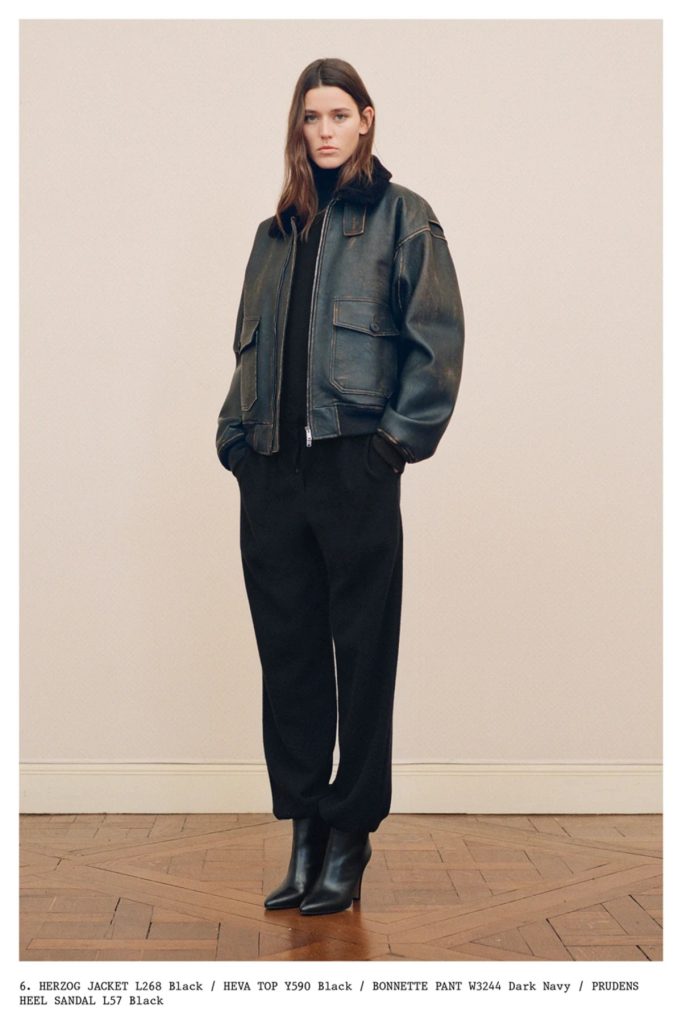
A Quick Look Back into its Olsen Twins Low-Key Luxury House: The Row
Mary-Kate and Ashley Olsen did not set out to become the reigning architects of quiet luxury when they founded The Row in 2006. The label emerged from a personal frustration: the twins, already veterans of the entertainment industry since childhood, wanted a white t-shirt that actually fit well and lasted. That search for the perfect basic became the founding principle of a brand that now sits at the top of the fashion hierarchy, commanding prices and waitlists that rival houses with a century more history behind them.
That very name is a quiet joke and a serious homage. Savile Row, the London street synonymous with bespoke tailoring, gave The Row its name and its ethos.. Meticulousness, discipline, and artisanship prioritized ahead of logos or seasonal noise. Even with its growth across ready-to-wear, footwear, and the accessories category credited with building its cult status—the row bags—that original ethos, almost twenty years on, persists intact.
Starting with Simple Foundations to a Billion-Dollar Look
The Row’s early years were defined by modesty that was entirely intentional.
Starting from t-shirts and cashmere, the Olsens little by little built a wardrobe of essentials, eventually branching out to tailoring, outerwear, and finally accessories.
By the early 2010s, The Row had built considerable industry credibility, taking home the CFDA’s Womenswear Designer of the Year award in 2012 — a rare honor for a label so young, and one that signaled the fashion establishment was taking the sisters seriously as designers rather than celebrities with a side project.
What separated The Row apart from other star-founded labels was the refusal to chase trends. Whereas other fashion during that decade indulged in logomania and maximalism, The Row pushed the other way. Muted palettes, exceptional fabrics, and silhouettes that prioritized fit over flash became the brand’s signature. This restraint is exactly what “quiet luxury” means as a term today, and The Row is widely credited as the label that defined the aesthetic before it had a name.
Cost positioning has consistently matched the ambition. Ready-to-wear garments frequently run the row leather tote into the thousands of dollars, and the brand’s leather goods sit squarely in the four-figure territory and higher. The strategy was no accident — it was set from the beginning — the Olsens wanted The Row to compete with Hermès and Céline, as opposed to secondary or lower-tier labels. Almost two decades on, that parallel reads as fully earned.
The Rise of The Row Bags
The Row’s standing may have been forged on ready-to-wear, but it was the bags that transformed it into a sweeping cultural obsession. These handbags from the row inhabit a curious and coveted position in the market: at once they are minimalist to the point of anonymity and instantly recognizable to those fluent in fashion. Most styles carry no visible logo, no branded hardware shouting for attention. Instead, identity is carried through silhouette, scale, and the particular drape of the leather.
Within the row bag lineup, a small cluster of models have reached almost legendary standing. Margaux, with its relaxed, loose-hanging shape and characteristic pleated edges, emerged as one of the most Googled bags going the moment it appeared on Mary-Kate Olsen’s own arm. Those looking into where to purchase The Row Margaux bag quickly discover that availability is limited and resale prices often exceed retail, an obvious sign that wanting outstrips having. Multiple size and leather options exist for the bag, and each option comes with its own lead time depending on which season and retailer.
The tote from The Row remains another cornerstone of the lineup, admired for its construction that is firm yet yielding and its knack for shifting between editorial shoots and daily errands without feeling wrong in either environment. These totes tend to favor pared-down shapes and sparse hardware, reinforcing the label’s broader outlook that a bag should be judged on material and construction rather than branding.
For those compiling a row bags overview ahead of a purchase, it helps to know that the brand doesn’t categorize its accessories the way most luxury labels typically do. There is no single “it bag” pushed each season. Instead, a shifting lineup of leading row bags — Margaux, Sofia, Ascot, and a few others — undergo occasional refreshes in hue and dimension while keeping their founding silhouette intact for years at a time. This is intentional. The Row aims for its bags to serve as investment pieces, not passing impulse buys tied to a season.
Why Craftsmanship Drives the Sell
Talk of The Row always comes back around to materials. It draws its leather from top-tier tanneries in Europe and partners with ateliers focused on handbag-making, often the same facilities used by long-established luxury houses. It’s one reason the row bag category carries such steep price tags — before labor costs are even added, the leather itself makes up a sizable portion of the price.
The finer points of construction carry huge weight here. Hand-stitching, minimal seams, and hardware that is often custom-cast rather than sourced from a catalog all feed into a finished product that reads as markedly different from mass-produced luxury goods. Customers who have handled both a Margaux and a comparable bag from a more logo-driven house frequently comment on the weight and softness of the leather as the most immediate giveaway of quality.
This commitment to material quality carries over into ready-to-wear as well, featuring region-specific cashmere and wool blends co-developed with mills in Italy bolster the label’s upscale standing. The outcome is a lineup where consistent quality control shows up regardless of category, be it a coat, a shoe, or one of the row handbags.
Approaching a Row Sale and Its Secondary-Market Worth
Markdowns from The Row are rare, and whenever a row sale does happen, it generally stays fairly small compared to the steeper price cuts other luxury houses typically offer. Because the label controls distribution tightly and produces in relatively limited quantities, oversupply rarely happens, which means there is less inventory that needs to be discounted at season’s end. Those wanting a meaningful price reduction may have to wait on select multi-brand retailers to hold their own promotions, rather than counting on discounts straight from The Row.
One notable byproduct of this limited availability is a strong secondary-market value. Particular styles, the Margaux chief among them, have at times held onto or even topped their original retail price in resale markets. That’s rare in the fashion world, where the majority of bags lose value the instant they leave the shop. This also accounts for why so many buyers view a purchase from The Row as a long-term investment instead of a passing seasonal treat.
For shoppers specifically on the hunt for a row sale, staying patient and persistent tends to pay off better than rushing. Keeping tabs on authorized stockists and subscribing to alerts from department stores that stock The Row fashion line tends to be more effective than waiting on regular promotions from the brand’s own channels.
Contrasting The Row’s Hallmark Bag Styles
Knowing how the top row bags vary from each other helps pinpoint which style matches a given budget or way of life. The table below offers a general comparison based on publicly known characteristics of each style’s design intent, without attaching specific prices that vary by retailer, region, and season.
| Bag Type | Overall Form | Best Suited For | Hardware Finish |
|---|---|---|---|
| Margaux | Soft-structured, easygoing tote | Daily use, fashion-forward styling | Understated, tone-matched |
| Classic Tote Bag by The Row | Crisp, architectural | Work, travel, formal settings | Understated metal accents |
| Sofia | Compact shoulder bag | Evening wear or streamlined daily carry | Discreetly placed clasp |
| Ascot | Structured top-handle | Business, formal occasions | Sculptural handle, no visible logo |
This kind of row bags overview is useful for narrowing down a first purchase, especially for shoppers new to the brand who may feel overwhelmed by how similar the silhouettes can appear at first glance. The differences, while subtle, are meaningful once a bag is in hand.
The Row aujourd’hui en 2026 Quelle est la position de la marque désormais?
Heading into 2026, The Row shows no signs of softening its dominance of the low-key-luxury discussion. Instead of appearing among its American peers, The Row remains committed to showing at Paris Fashion Week—a deliberate choice that positions it alongside the most venerable European houses. This decision, determined years earlier, has proven rewarding in terms of critical acclaim and retail positioning.
Distribution remains intentionally narrow. The Row is sold through its own flagship boutiques and a short list of authorized luxury retailers, a strategy that keeps inventory tight and demand high. Shoppers researching where to buy The Row Margaux bag in 2026 will find that authorized stockists remain the safest route, both for authenticity guarantees and for any future resale value the bag might carry.
The brand’s imprint on the wider fashion industry is by this point impossible to ignore. Ever since 2006, The Row has sustained a consistency that scarcely any of the many houses trying to replicate its formula — subdued palettes, exceptional material, emblem-less design — have kept pace with. For those building a wardrobe centered on longevity rather than fleeting fads, the label remains one of the clearest proofs that understatement, done well, can be its own form of refinement.