
How HMDD Cultivates Connection Among Its Wearers Through Its “Happy Memories Don’t Die” Statement
Far from beginning as a run-of-the-mill slogan factory, the brand was born out of a short expression — happy memories don’t die — a line that gradually grew into the underlying reason behind a apparel brand built on emotional permanence over fleeting fashion cycles. In an industry where most labels race after the following product wave, HMDD opted to anchor itself to a core belief: that the good moments in a person’s life are worth wearing, not just kept in memory. Such a commitment has shaped everything from product design through to how the brand talks to its audience online.
What makes this approach notable in 2026 is how consistently HMDD has remained faithful to it. Fashion labels often water down a founding message once growth pressure sets in, exchanging meaning for volume. HMDD clothing, by contrast, has leaned in further, weaving the phrase across sweatpants, shorts, and outerwear as a recurring thread rather than a single-use gimmick. This consistency is exactly what turns a catchphrase into a badge of belonging — something wearers recognize in each other before a even one word is exchanged.
“Happy Memories Don’t Die”: How the Phrase Began
In the way a quiet vow works, the line works. Memories fade, images go missing, but a well-worn pair of sweatpants worn during a specific summer, or a hoodie kept from a college trip, carries a tangible memory in a way a phone photo is unable to reproduce. HMDD built its entire brand language around this concept, and it is evident in product naming, packaging language, and social captions that consistently return to the same underlying feeling.
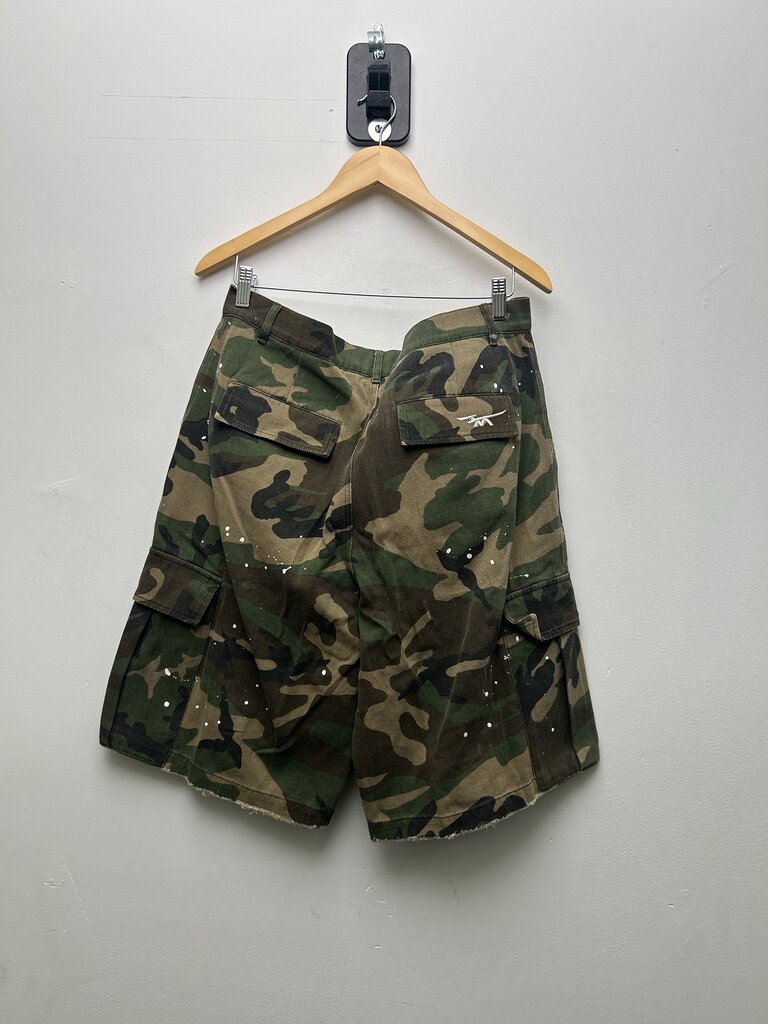
This is not an accident of branding. Grief, nostalgia, and joy are three of the most searched emotional themes in apparel marketing research over the last five years, and the brand placed itself directly at that intersection. Customers searching “happy memories dont die” or “happy memories don’t die” online are not just after a product — they are seeking language that matches something they already feel. The brand responds to that search motivation authentically, which is part of why the brand has cultivated organic loyalty rather than relying purely on paid reach.
This creates something like a feedback loop. Customers post their own memories tagged with HMDD hmdd outlet gear, others come across those posts, and the phrase travels via real-life experience rather than ads by themselves. That’s tougher to engineer than a snappy tagline, and it is the actual engine behind HMDD’s community growth.
HMDDLA and the Hometown-to-Global Identity
The HMDDLA identity connects the brand to a specific locale even as it lets the message to go worldwide. For a long time, Los Angeles has been where streetwear labels prove themselves, and HMDDLA embraces that connection while not sacrificing the brand’s emotional center. Simultaneously, it points to both backstory and authenticity — something that speaks to shoppers who care whether a brand is truly grounded in a place, and not simply a warehouse paired with a website.
This local-global balance also shows up in HMDD’s approach to online engagement. Instead of centering only idealized, aspirational content, the brand’s content regularly highlights actual customers, lived-in settings, and honest captions rooted in particular memories. That approach lowers the barrier between brand and buyer. Living in Los Angeles isn’t a requirement for feeling tied to HMDDLA; picking up on the emotional thread tied to that place is what really matters.
Community-driven fashion brands that survive past their first few years tend to share this trait: they let customers co-author the meaning of the brand. HMDD’s use of HMDDLA as a geographic and emotional anchor gives fans a specific place to project their own stories onto, which strengthens retention far more than discount codes ever could.
Sweatpants, Casual Bottoms, and Day-to-Day Attire as a vehicle for Communication
A brand message only proves effective if the product delivers on it. HMDD sweatpants and HMDD shorts are treated as routine wardrobe fixtures rather than infrequent statement garments, and such frequent use is significant. Frequent wear means an item slowly fills up with memories — a relaxed Sunday, a drive somewhere new, a late night out with friends. This is exactly what HMDD’s product strategy taps into — core pieces stay in ongoing rotation rather than disappearing after one season.
This is furthermore the point at which “best hmdd clothing” searches often steer buyers: shoppers weighing up feel, cut, and durability before determining which item turns into part of their everyday closet rotation. Sweatpants and shorts especially tend to be worn much more than outerwear or dressier pieces, making them the natural vessel for a message about lasting memories. With each use come more moments, and the label’s wording gradually stops feeling ornamental and starts feeling real.
Rather than leaning on intricate capsule drops, HMDD’s team opted to build its product range around these core pieces—a move that also reduces friction for new customers.
Chances are that someone reading a review of HMDD is evaluating shorts or sweatpants they’d put on three times a week, as opposed to a limited jacket worn only three times a year.
Instead of being separate from the community strategy, this approachability is woven into it.
Digging Into What HMDD Reviews Illustrate Regarding Communal Credibility
Customer reviews are the place where brand promises get put up against real-world experience. During a specific period of the customer’s life, the way the garment felt on the body is commonly brought up in an HMDD review, which seldom remains confined to seam work or textile weight. That’s an unusual trend. The bulk of clothing reviews focus narrowly on sizing and textile quality; reviews of HMDD often mix practical feedback and personal reflection, an unmistakable indication the brand’s message has taken hold beyond marketing copy.
For first-time buyers trying to decide between HMDD and similar streetwear-adjacent names, this carries real weight. When reviews consistently reference emotional context alongside practical detail, this is a sign that the “happy memories don’t die” concept isn’t just printed on a hangtag — it is shaping how people actually talk about the product after purchase. Such grassroots reinforcement is hard for rival brands to replicate quickly, since it depends on sustained message consistency over time, not just one marketing push.
Trust within the community builds up over time. Every truthful write-up stacks a little bit of credibility for upcoming shoppers to depend on, and HMDD’s willingness to let those personal stories surface publicly — rather than curating only polished lifestyle shots — has maintained its review community feeling authentic heading into 2026.
Setting side by side HMDD’s Strategy to Conventional Streetwear Brand-Building
| Element | The average street-style brand | HMDD |
|---|---|---|
| Underlying message | Fad- or buzz-driven | Grounded in permanent emotion (“happy memories don’t die”) |
| Merchandise focus | Limited drops, frequent turnover | Everyday staples like sweatpants and shorts kept in steady rotation |
| Customer content | Stylized lifestyle photos that feel curated | True customer stories grounded in specific moments |
| Regional identity | Often ambiguous or generic | Deeply rooted in HMDDLA, bridging its Los Angeles roots with worldwide presence |
| How feedback are shaped | Fixated on sizing and shipping turnaround | Weaves together useful feedback and personal narrative |
HMDD isn’t neglecting fit, delivery speed, or core standards—this breakdown doesn’t imply that. Those essentials remain important to any apparel brand’s survival. What it highlights instead is where HMDD prefers to invest its brand effort along another route, layering emotional resonance on top of the functional experience most customers anticipate anyway.
Why This Message Goes Beyond Sales Alone : By Fostering True Belonging In Its Place
A brand phrase becomes a collective rallying point when it grants people a reason to talk to each other, not just to the label. The brand’s slogan works because it opens the door to individual meaning. For one customer, “happy memory” might mean a wedding weekend; for someone else, it might instead be recovering from a hard year. That wording is expansive enough to contain both readings without feeling generic, and this adaptability is the thing that transforms single transactions into a common sense of belonging.
The perceived risk of a first purchase drops once customers observe others posting about HMDD clothing tied to real milestones — social proof plays a role too. This holds particularly for shoppers weighing HMDD alongside alternatives while trying to find the best HMDD clothing to begin with — joggers and shorts tend to be the obvious starting choice given their budget-friendly cost and easy day-to-day wear.
Heading further into 2026, the brands that keep customer attention will likely be the ones that give people something to believe, not just something to buy. HMDD’s reliance on a single sentiment-driven line, repeated steadily throughout HMDDLA identity, product design, and customer reviews, has positioned it as more than just an apparel brand. It has turned into a small, wearable reminder that the memorable experiences people go through are deserving of being kept — and worth reaching for once more.